Summer Camp Packing List Bay Area 2026 | Complete Checklist
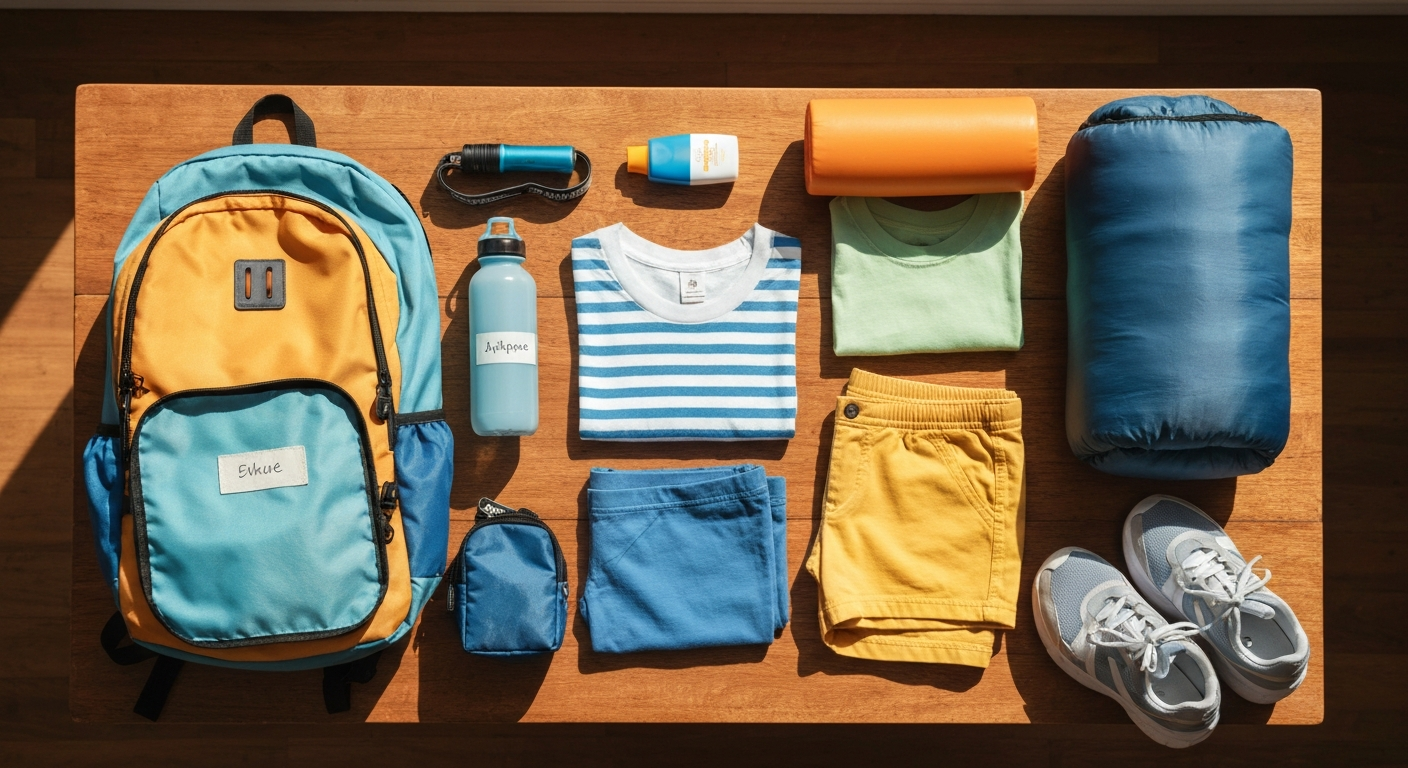
It's 9 PM the night before camp starts. You're staring at an empty backpack, scrolling through the camp's packing list email you can't find, wondering if you're forgetting something critical.
Quick Answer: Day camps need a water bottle, sunscreen, lunch, change of clothes, and closed-toe shoes. Overnight camps add sleeping bag, 7 outfit sets, toiletries, flashlight, and layers for Bay Area temperature swings. STEM camps often require laptops; sports camps need specific gear. Most forgotten items: labeled water bottle, extra sunscreen, and completed health forms. Print our camp-type-specific checklist below to pack confidently in under 30 minutes.
This guide covers what to pack for every Bay Area summer camp type — and what mistakes to avoid.
What Makes Bay Area Camp Packing Different
Build your summer plan
Map every week of summer in 3 minutes
KidPlanr lays out every week with camps that match each kid's age and interests — and tracks which weeks still have spots.
Build my calendar →Bay Area camps face unique conditions that affect what your child needs:
Temperature swings. Overnight camps in the Santa Cruz Mountains or Marin can see 30+ degree differences between morning and evening. A child comfortable in shorts at 2 PM will be cold in the same outfit at 8 PM.
Microclimates. A camp in Oakland runs warmer than one in Half Moon Bay. Check your specific camp's location before packing — coastal camps need more layers.
Tech-heavy camps. Bay Area STEM camps like iD Tech or Galileo Innovation often require laptops or tablets. Confirm electronics policies before packing.
Every Bay Area camp has specific requirements. This checklist covers the essentials, but always check your camp's official packing list first.
Essential Day Camp Packing List
Day camps are morning drop-off, afternoon pick-up programs. Your child carries everything they need for the day.
Must-Have Items (Every Day)
Water bottle (labeled)
Refillable, at least 16 oz. Bay Area parents report forgotten water bottles as the #1 day-camp regret on r/Parenting. Camp stores charge $3-5 for disposable bottles.
Sunscreen (pre-applied)
Apply before camp. Pack a travel-size bottle (TSA-compliant 3.4 oz or less) for reapplication. SPF 30+ minimum. Many camps won't apply sunscreen for you due to liability concerns.
Lunch + 2 snacks
Insulated lunch box with ice pack. Most Bay Area day camps don't provide lunch. Pack non-perishable items (no glass containers). Allergies are common — check if your camp is nut-free.
Change of clothes
Full outfit including underwear and socks. Water play, art projects, and outdoor activities lead to muddy or wet clothes. Pack in a gallon Ziploc bag labeled with your child's name.
Closed-toe shoes
Required by most camps for safety. No flip-flops or Crocs during activities. (Crocs or sandals OK as pool shoes after activities end.)
Recommended Items
- Hat (sun protection)
- Swimsuit + towel (if camp has water activities)
- Light jacket (mornings can be cool, especially near the coast)
- Small backpack (sturdy enough for daily use)
- Bug spray (DEET-based for outdoor camps)
What NOT to Pack
- Electronics (phones, tablets, smartwatches — most day camps prohibit these)
- Expensive jewelry
- Toys from home (they get lost or cause conflicts)
- Cash (unless camp specifically requests it for field trips)
Complete Overnight Camp Packing List
Overnight camps (also called sleepaway camps or residential camps) last 3-14 days. Your child lives at camp with other campers in cabins or tents.
Clothing (7-Day Camp Example)
Pack one full outfit per day, plus extras:
- Underwear: 8-9 pairs (7 days + extras)
- Socks: 8-9 pairs
- T-shirts: 7-8 (camp t-shirts work great)
- Shorts/pants: 7 pairs (shorts for warm days, pants for cool evenings)
- Pajamas: 2 sets
- Sweatshirt/fleece: 2 (Bay Area nights drop to 50-60°F even in summer)
- Rain jacket: 1 (waterproof, not just water-resistant)
- Swimsuit: 2 (one to wear, one to dry)
- Hat: 1 (sun protection)
- Hiking shoes/boots: 1 pair (if camp includes trails)
- Sneakers: 1 pair (everyday wear)
- Sandals/flip-flops: 1 pair (shower shoes)
Bay Area-specific tip: Pack moisture-wicking fabrics (not cotton) for hot days. Cotton stays wet with sweat and takes forever to dry in morning fog. Parents on r/BayArea forums consistently recommend synthetic or merino wool layers.
Bedding & Sleeping
- Sleeping bag: Required. Check camp's temperature rating requirements (usually 30-40°F for Bay Area overnight camps).
- Sleeping pad or cot: Some camps provide cots; others require campers to bring sleeping pads. Verify with your camp.
- Pillow: Small, compressible pillow (or stuff sack with extra clothes as makeshift pillow)
- Sheets (optional): Some campers prefer sheets inside their sleeping bag for comfort.
Toiletries & Personal Care
Pack travel-size versions to save space:
- Toothbrush + toothpaste
- Shampoo + conditioner (or 2-in-1)
- Body wash or soap
- Deodorant
- Hairbrush/comb
- Sunscreen (SPF 30+, at least 8 oz for a week)
- SPF lip balm
- Bug spray (DEET-based, 20-30% DEET recommended)
- Feminine hygiene products (if applicable)
- Prescription medications (in original containers, labeled — must be accompanied by camp health forms)
- Quick-dry towel (2 — one for shower, one for swimming)
- Shower sandals (to prevent athlete's foot in shared bathrooms)
- Laundry bag (mesh or drawstring bag for dirty clothes)
Essential Gear
- Flashlight or headlamp: With extra batteries. Late-night bathroom trips require light.
- Water bottle (labeled): 20-32 oz refillable bottle. Hydration is critical during outdoor activities.
- Day pack: Small backpack (10-15L) for carrying water bottle, sunscreen, snacks during activities.
- Mess kit (for certain camps): Bowl, plate, cup, fork, spoon. Check if your camp requires this — outdoor programs like Trackers Earth Bay Area often do.
Optional Comfort Items
- Books or journal (screen-free entertainment)
- Cards or small travel games (for downtime with cabin mates)
- Stationery + stamps (to write letters home — many camps still do this)
- Photos from home (to decorate bunk area)
- Stuffed animal or small comfort item (especially for first-time campers)
What NOT to Pack (Prohibited Items)
Most Bay Area overnight camps prohibit:
- Electronics: Phones, tablets, gaming devices, smartwatches, earbuds. Some camps make exceptions for laptops at tech-focused camps — verify first.
- Food or candy: Attracts wildlife (especially in mountain camps) and creates sharing pressure among campers.
- Expensive jewelry: High risk of loss or damage.
- Aerosol sprays: Fire hazard in cabins.
- Items with sentimental value: If losing it would devastate your child, leave it home.
Important: Pack medication separately with completed health forms. Many camps turn children away on day one if medication authorization forms aren't signed by a physician. Complete these forms at least 2 weeks before camp starts.
Specialty Camp Additions
Some camps require extra gear based on their focus:
STEM/Tech Camps (iD Tech, Galileo Innovation, etc.)
- Laptop or tablet (verify camp's electronics policy first — some provide devices)
- Laptop charger
- Protective case
- Headphones (wired, not Bluetooth)
- USB drive (for backing up projects)
Sports Camps (soccer, basketball, tennis, etc.)
- Sport-specific gear (cleats, racket, shin guards, etc.)
- Athletic cup (if applicable)
- Sports mouthguard (for contact sports)
- Extra athletic socks (moisture-wicking)
- Water bottle (32 oz minimum for high-activity days)
Arts Camps
- "Art clothes" — old t-shirts and pants you don't mind ruining with paint or clay
- Smock or apron (optional, but helpful)
- Portfolio or folder (to bring artwork home safely)
Outdoor/Nature Camps
- Hiking boots (broken in before camp — new boots cause blisters)
- Insect repellent (DEET 20-30%)
- Wide-brimmed hat (sun + tick protection)
- Bandana (multiple uses: cool down, dust protection, first aid)
- Sunglasses (UV protection)
The #1 Packing Rule: Label Everything
If there's one piece of advice every experienced camp parent agrees on, it's this: label absolutely everything.
Water bottles, clothes, toiletries, sleeping bags, flashlights — everything. Shared cabins and group activities mean items get mixed up constantly.
How to label effectively:
- Permanent marker: Write first name + last initial on clothing tags and gear. Works for most items.
- Iron-on labels: Durable for clothes that go through multiple wash cycles.
- Waterproof stickers: For water bottles, toiletries, and gear that gets wet.
- Embroidered labels (luxury option): Long-lasting for bedding and clothing.
Name label companies like Mabel's Labels or Name Bubbles specialize in camp labels — worth it if your child attends camp regularly.
Bay Area Temperature Layering Guide
Bay Area camps see wild temperature swings. A camp in the Santa Cruz Mountains can be 75°F at 2 PM and 52°F at 8 PM.
Smart layering strategy:
- Base layer: Moisture-wicking t-shirt or tank top
- Mid layer: Long-sleeve shirt or light fleece
- Outer layer: Waterproof jacket (not just water-resistant)
What NOT to do: Pack 7 t-shirts and no warm layers. Your child will be fine during the day and freezing at night.
Better: Pack 5 t-shirts, 2 sweatshirts, and 1 rain jacket. Teach your child to layer up as temperature drops.
Common Packing Mistakes (And How to Avoid Them)
Mistake #1: Overpacking Clothes, Underpacking Layers
Why it happens: Parents assume more clothes = more prepared.
Reality: Kids wear the same favorite shirt 3 days in a row. They need layers for temperature changes more than outfit variety.
Fix: Pack 7 outfits for a 7-day camp (not 12). Add 2 sweatshirts and a rain jacket.
Mistake #2: Forgetting to Pre-Label Items
Why it happens: Parents plan to label items at camp drop-off.
Reality: Drop-off is chaotic. You won't have time.
Fix: Label everything 2-3 days before camp. Make it a family activity — kids can help label their own gear.
Mistake #3: Packing Brand-New Shoes
Why it happens: "My child needs new shoes for camp."
Reality: New hiking boots or sneakers cause blisters within 2 hours. Blisters ruin camp experience.
Fix: Break in new shoes at least 2 weeks before camp. If shoes aren't broken in, pack old comfortable shoes instead.
Mistake #4: Sending Expensive Items
Why it happens: "My child loves this [expensive jacket/watch/sunglasses]."
Reality: Expensive items get lost, damaged, or stolen at camp. Even with labels.
Fix: Send items you're OK with losing. Save the expensive gear for home.
Mistake #5: Incomplete Health Forms
Why it happens: Forms are boring paperwork that gets delayed.
Reality: Many camps won't accept a child without completed physician-signed health forms and medication authorization. Some parents have had to turn around and drive home to get forms on day one.
Fix: Complete health forms 2+ weeks before camp starts. Confirm they're signed by a physician (parent signature isn't enough for most overnight camps).
What to Do the Night Before Camp
Use this 30-minute checklist to pack efficiently:
15 minutes: Clothing
1. Lay out 7 full outfits (or 1 per day of camp)
2. Add 2 sweatshirts + 1 rain jacket
3. Add 2 swimsuits + 2 towels
4. Pack in labeled duffle bag
10 minutes: Toiletries + Gear
1. Pack travel-size toiletries in labeled toiletry bag
2. Add sunscreen + bug spray
3. Pack flashlight, water bottle, day pack
4. Add sleeping bag + pillow
5 minutes: Final Check
1. Print this packing list and check off each item
2. Verify health forms are signed and packed separately
3. Double-check prohibited items aren't in the bag
4. Label any unlabeled items
Printable Packing Checklist
Day Camp Checklist
- [ ] Water bottle (labeled)
- [ ] Sunscreen (pre-applied + travel bottle)
- [ ] Lunch box with ice pack
- [ ] 2 snacks
- [ ] Change of clothes in Ziploc bag
- [ ] Closed-toe shoes
- [ ] Hat
- [ ] Swimsuit + towel (if applicable)
- [ ] Light jacket
- [ ] Small backpack
Overnight Camp Checklist (7-Day Example)
Clothing:
- [ ] Underwear (8-9 pairs)
- [ ] Socks (8-9 pairs)
- [ ] T-shirts (7-8)
- [ ] Shorts/pants (7 pairs)
- [ ] Pajamas (2 sets)
- [ ] Sweatshirt/fleece (2)
- [ ] Rain jacket (1)
- [ ] Swimsuit (2)
- [ ] Hat (1)
- [ ] Sneakers (1 pair)
- [ ] Hiking shoes (1 pair, if needed)
- [ ] Sandals/flip-flops (1 pair)
Bedding:
- [ ] Sleeping bag
- [ ] Sleeping pad or cot (if required)
- [ ] Pillow
Toiletries:
- [ ] Toothbrush + toothpaste
- [ ] Shampoo + conditioner
- [ ] Body wash
- [ ] Deodorant
- [ ] Hairbrush
- [ ] Sunscreen (8+ oz)
- [ ] SPF lip balm
- [ ] Bug spray (DEET 20-30%)
- [ ] Prescription medications (labeled, with forms)
- [ ] Quick-dry towels (2)
- [ ] Shower sandals
- [ ] Laundry bag
Gear:
- [ ] Flashlight or headlamp + extra batteries
- [ ] Water bottle (labeled, 20-32 oz)
- [ ] Day pack (10-15L)
- [ ] Mess kit (if required)
Optional:
- [ ] Books or journal
- [ ] Cards or travel games
- [ ] Stationery + stamps
- [ ] Photos from home
- [ ] Small comfort item
DO NOT PACK:
- Electronics (phones, tablets, etc.)
- Food or candy
- Expensive jewelry
- Aerosol sprays
- Items with sentimental value
Specialty Camp Additions
STEM/Tech:
- [ ] Laptop or tablet (if allowed)
- [ ] Charger + protective case
- [ ] Headphones (wired)
Sports:
- [ ] Sport-specific gear (cleats, racket, etc.)
- [ ] Extra athletic socks
- [ ] Mouthguard (if applicable)
Arts:
- [ ] Art clothes (old, expendable)
- [ ] Portfolio or folder
Outdoor/Nature:
- [ ] Hiking boots (broken in)
- [ ] Wide-brimmed hat
- [ ] Bandana
FAQs
What should I pack for day camp?
Pack a labeled water bottle, sunscreen, lunch with 2 snacks, change of clothes in a Ziploc bag, closed-toe shoes, hat, and swimsuit/towel if the camp has water activities. Most forgotten item: the labeled water bottle — camp stores charge $3-5 for disposable bottles.
What do kids need for overnight camp?
Kids need 7 outfits (one per day), 2 sweatshirts, rain jacket, 2 swimsuits, sleeping bag, toiletries (travel-size), flashlight, labeled water bottle, day pack, and shower sandals. Bay Area camps require extra layers due to 30+ degree temperature swings between day and night.
What should you NOT pack for summer camp?
Don't pack electronics (phones, tablets, gaming devices), food or candy (attracts wildlife and creates sharing pressure), expensive jewelry, aerosol sprays, or items with sentimental value that would devastate your child if lost. Most camps prohibit these items in their policies.
How do you pack for a week-long camp?
Pack 7 full outfits (underwear, socks, shirt, shorts/pants per day) plus extras: 2 sweatshirts, 1 rain jacket, 2 swimsuits, sleeping bag, toiletries, flashlight, water bottle, and day pack. Label everything with permanent marker or name labels. Complete health forms 2 weeks before camp starts.
Do I need to label everything?
Yes. Label absolutely everything: clothes, water bottles, toiletries, sleeping bag, flashlight, towels. Shared cabins and group activities mean items get mixed up constantly. Use permanent marker (first name + last initial) on clothing tags, waterproof stickers for water bottles and gear.
What's the #1 packing mistake parents make?
Sending incomplete or unsigned health forms. Many camps turn children away on day one if medication authorization forms aren't physician-signed. Complete and submit health forms at least 2 weeks before camp starts — don't wait until drop-off day.
Related Articles
Planning summer camps for your child? Here's what else you need to know:
- Best Summer Camps in Palo Alto 2026 — Top-rated camps for STEM, sports, and arts
- Free & Affordable Summer Camps in Bay Area 2026 — Quality camps under $200/week
- Full Day vs. Half Day Summer Camps — Which Is Right for Your Family? — Decision guide for working parents
- How to Choose Afterschool Activities for Your Child — Year-round activity tracking tips
Track your child's camp schedule and year-round activities with KidPlanr's activity tracker — join the waitlist for early access.
Ready to Find the Perfect Camp?
You have the packing checklist. Now find the right camp for your child.
Search 1,500+ Bay Area summer camps on KidPlanr → Filter by location, age, activity type, and price. Compare camps side-by-side. See real parent reviews.
Build your summer plan
Map every week of summer in 3 minutes
KidPlanr lays out every week with camps that match each kid's age and interests — and tracks which weeks still have spots.
Build my calendar