Toddler Too Young for Camp? 50+ Alternatives Ages 2-4
Last updated: April 2026
You've found the perfect summer camp — and then you see "Ages 5+." Your 3-year-old doesn't qualify. This happens to every parent of a toddler in the Bay Area.
Quick Answer: Most Bay Area summer camps start at age 5 due to state licensing, safety, and attention span requirements. For ages 2-4, focus on parent-child music classes ($80-150/month), library storytimes (free), recreation department toddler programs ($45-200/session), and drop-in play spaces. These build social skills and readiness for camps at age 5-6. Verify current schedules with providers before enrolling.
The good news: there are 50+ alternatives specifically designed for the 2-4 age group. Here's what to do instead.
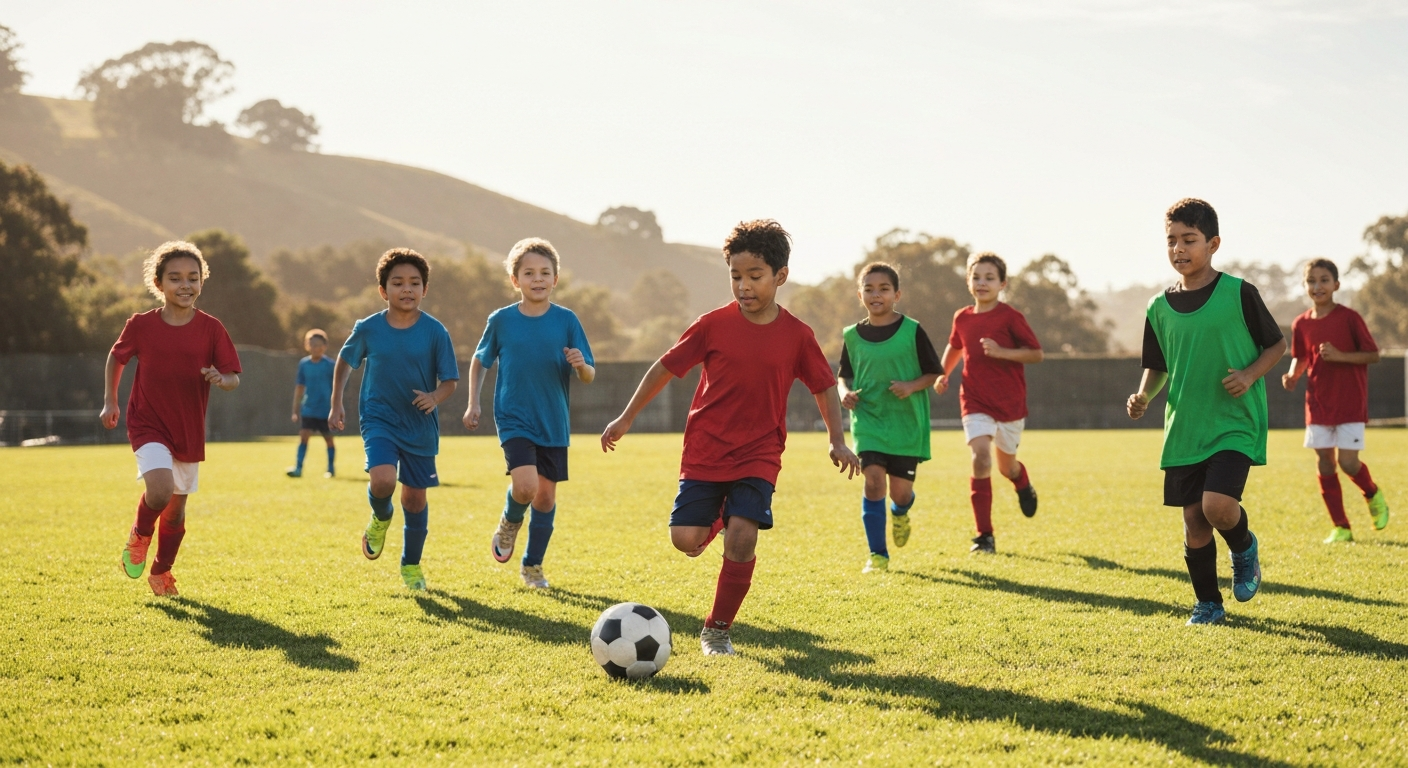
Why Traditional Camps Don't Work for This Age
Build your summer plan
Map every week of summer in 3 minutes
KidPlanr lays out every week with camps that match each kid's age and interests — and tracks which weeks still have spots.
Build my calendar →Most summer camps in the Bay Area start at age 5 for good reasons.
State licensing requirements. California Title 22 regulations require higher staff-to-child ratios for under-5s. A typical camp with 1 counselor per 8 kids can't legally accept toddlers without dramatically increasing staff. Few camps can afford that.
Attention span. A 3-year-old's attention span is roughly 6-9 minutes. Traditional camps run 3-4 hour sessions with structured activities. That's developmentally inappropriate for toddlers who need frequent breaks, snacks, and free play.
Bathroom independence. Many camps require kids to be fully potty-trained and able to manage bathroom needs independently. Toddlers often still need help.
Separation anxiety. Drop-off camps assume kids can separate from parents for 3+ hours. For many 2-4 year olds, that's still stressful. Parent-child programs solve this.
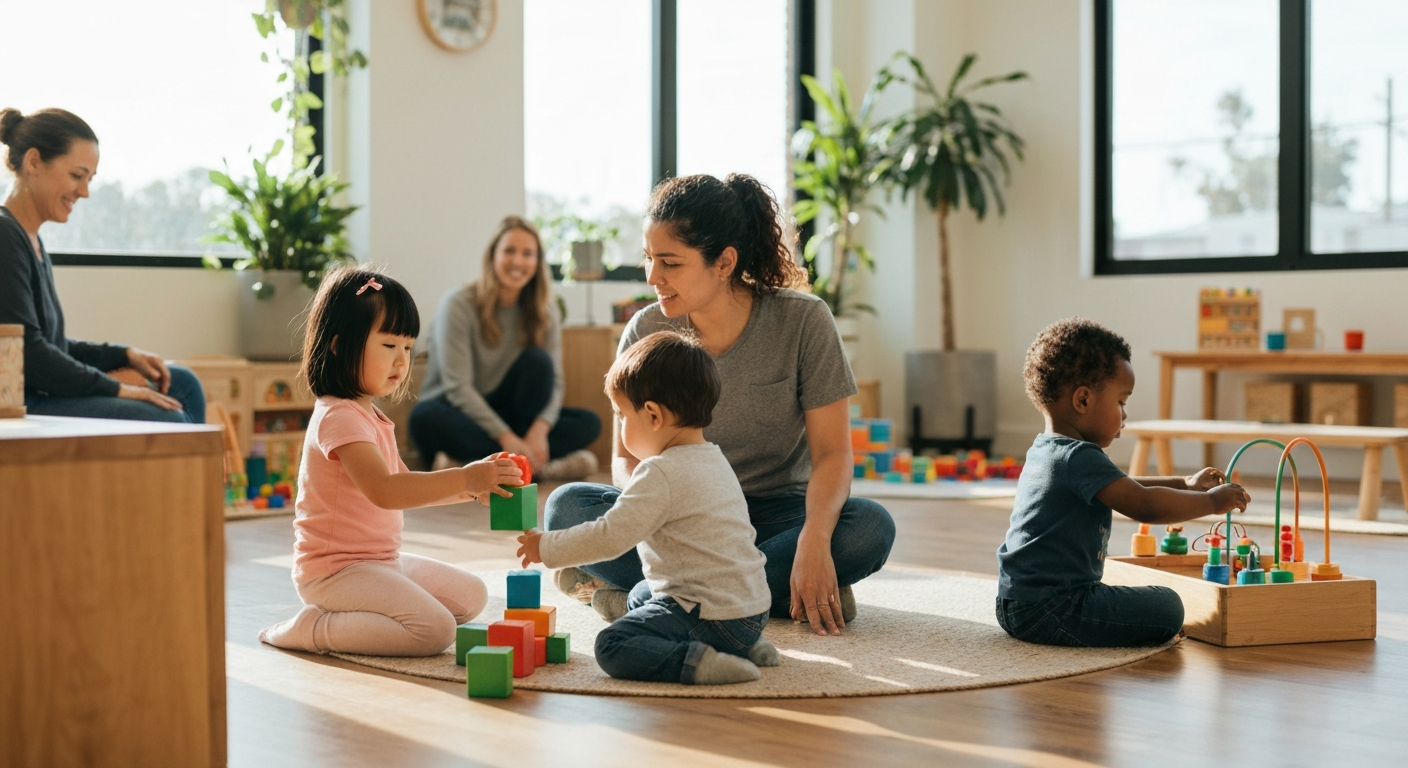
The reality: you're not looking for a camp. You're looking for short, play-based, parent-accompanied activities that build toward camp readiness at age 5-6.
What Works for Ages 2-4: Activity Categories
Music Classes
Music Together and similar programs are the gold standard for toddlers. Classes are 45 minutes, parent-accompanied, with singing, movement, and simple instruments.
East Bay:
- East Bay Music Together — 13 locations across Oakland, Berkeley, Alameda, Montclair. Ages 0-5. $160-200 for 10-week sessions.
- Early Start Music — San Leandro, Castro Valley, Hayward, Newark, Fremont. Mixed-ages 0-5. Approximately $180-220/session.
San Francisco:
- SF Music Together — Marina, Pacific Heights, Laurel Heights, Cole Valley, Richmond, Sunset. Ages 0-5. $200-250 per 10-week session, verify with provider.
- Blue Bear School of Music — Infant and toddler music classes. Fort Mason location. Approximately $150-200/session.
Peninsula:
- Peninsula Music Together — Daly City, South San Francisco, Burlingame, San Mateo, Foster City. Ages 0-5. $180-220 per session, verify current pricing.
South Bay:
- Music Together San Ramon/Danville/Walnut Creek — Tri-Valley families. Approximately $160-200/session.
Gymnastics and Movement
Toddler gymnastics focuses on climbing, balance, and coordination in a safe environment. Classes are 45-60 minutes with parents participating.
Peninsula:
- The Little Gym of Millbrae — Parent-child classes for ages 10 months-3 years. "Beasts" classes for independent toddlers. Approximately $100-180/month.
- The Little Gym of Mountain View — Parent-child and toddler classes. 45-minute structured sessions. $100-180/month, verify with location.
South Bay:
- The Little Gym of San Jose (South) — "Tiny Tykes" for parent-child, "Beasts/Super Beasts" for toddlers. Approximately $100-180/month.
Peninsula:
- Gymboree Play & Music, San Mateo — 3180 Campus Dr. Ages 0-5. Parent-accompanied classes Tuesday-Friday and Saturday mornings. Approximately $120-200/month, verify current rates.
Palo Alto:
- My Gym Palo Alto — "Mommy and Me" for ages 6 weeks-10 years. Circle time songs, gross motor skills, social-emotional development. $150-250/month, verify with provider.
Looking for year-round gymnastics programs? Explore gymnastics classes for kids in the Bay Area.
Library Storytimes (Free)
Every Bay Area library system offers free toddler storytimes. These are 30-minute sessions with books, songs, and movement, followed by playtime.
San Francisco:
- San Francisco Public Library — Toddler storytime (16 months-2 years) at Richmond/Senator Milton Marks, Mission Arts Center, and other branches. Wednesday mornings 11:00-11:30am. Tickets first-come at 10:30am. Free.
- Spanish-language storytimes available at Mission Arts Center.
San Jose:
- San Jose Public Library — Baby/Toddler storytime for ages 0-3. Multiple branch locations. Wednesday mornings 10:30-11:00am. Bilingual options available. Free.
East Bay:
- Check your local library (Oakland, Berkeley, Alameda, Fremont) for toddler storytimes. Most offer weekly sessions.
Recreation Department Programs
City recreation departments offer affordable parent-child and toddler programs. These are the best value in the Bay Area.
Oakland:
- Oakland Parks & Recreation — Toddler Movement and Storytime at Mosswood. Ages 1-4. 7-week sessions for $45. Contact: 510-597-5038.
Palo Alto:
- Palo Alto Community Services — Parent-child programs, toddler activities. Check current session schedule. Approximately $50-150 per session.
- Rinconada Library offers toddler storytime with interactive books and songs. Free.
East Bay:
- MCC East Bay — Mommy & Me for ages 1-5. Four-week sessions 10:00-11:00am. Approximately $40-60 per session, verify current pricing.
- Alameda Parks and Rec — "Wee Play" for babies and toddlers under 3. Song, music, exploratory play, arts and crafts. Check city website for current session schedule.
- Berkeley Youth Recreation — Parent/Infant (6 months-3 years) swim classes.
Parent-Child Swim Lessons
Swimming is one of the few activities where toddlers can start safety skills early. Parent-child swim classes focus on water comfort, not lap swimming.
East Bay:
- YMCA East Bay — Parent-child program for 6 months-2 years. Sessions available Monday/Wednesday, Tuesday/Thursday, and weekends. Approximately $80-120 per session, verify current pricing.
Peninsula/South Bay:
- Check your local YMCA for parent-child swim offerings. Most YMCA locations offer toddler swim programs.
- City recreation centers (San Mateo, Palo Alto, Mountain View) often offer parent-toddler swim at public pools. $50-100 per 6-week session.
Art and Creative Play
Art classes for toddlers focus on process over product — exploring materials, not making finished art.
East Bay:
- Museum of Children's Art (MOCHA) — Oakland. Open Studio every 1st and 3rd Saturday 10am-2pm for ages 0-10. Drop-in format. Free-$10 suggested donation.
- Messy Makers — Process-art class for ages 1-5. Weekly 45-minute sessions. Approximately $120-180 per session, verify with provider.
- Mini Makers — Youth Studio program for ages 6 months-4 years with caregivers. Hands-on art time. Check current schedule.
General Bay Area:
- Many city recreation departments offer "Toddler Art" or "Creative Play" drop-in sessions. Check your city's quarterly activity guide.
Nature and Outdoor Play
Toddlers don't need structured nature programs — they need safe outdoor spaces to explore.
Peninsula:
- Huddart Park (Woodside) — Chickadee Nature Trail is stroller-friendly and shaded. Perfect for 2-4 year olds. Free with parking fee ($6-10).
- Coyote Point (San Mateo) — Home to CuriOdyssey science museum and zoo. Magical Bridge playground designed for all abilities. Museum admission $12-18, playground free.
East Bay:
- East Bay Regional Parks — 100+ parks with naturalist programs and events. Park'n It Day Camp starts at age 5, but many parks have toddler-friendly trails. Call 1-888-EBPARKS for toddler-appropriate nature programs.
- Tilden Park (Berkeley) — Little Farm (free petting zoo), Environmental Education Center, easy trails.
Peninsula Open Space:
- Midpeninsula Regional Open Space District preserves trails and open space throughout the Santa Cruz Mountains. Many preserves have short, easy trails suitable for toddlers.
Drop-In Play Spaces
When you just need an hour of indoor play, drop-in spaces save the day.
Oakland:
- Children's Fairyland — Storybook theme park for ages 1-8. Open year-round. Admission $16 for ages 1+.
Indoor Play Centers:
- Check local family directories for indoor play gyms with toddler-specific areas. Many offer drop-in rates ($10-20 per session).
How to Choose the Right Program for Your Toddler
Consider Your Child's Personality
Social butterflies: Music classes and library storytimes put them around other kids with structured interaction.
Sensory seekers: Gymnastics, outdoor play, and art programs let them move and explore.
Cautious observers: Parent-child swim or small music classes give them time to warm up with you nearby.
Schedule Fit
Morning vs afternoon: Toddlers are typically at their best in the morning (9-11am). Schedule programs for when your child is alert, not when they'd normally nap.
Session length: 30-45 minutes is ideal for 2-year-olds. 45-60 minutes works for most 3-4 year olds. Anything longer and you'll spend the last 15 minutes managing meltdowns.
Frequency: Once or twice a week is plenty. Toddlers need unstructured time at home too.
Budget
Free options: Library storytimes, public playgrounds, some recreation center drop-in sessions. $0.
Low-cost: City recreation department classes. $45-150 per 6-8 week session ($7-20/class).
Mid-range: Music Together, parent-child swim. $160-250 per 10-week session ($16-25/class).
Premium: Private gymnastics or music studios. $100-250/month ($25-60/class).
Trial classes: Most Bay Area programs offer a free or $10 trial class. Take advantage — toddlers can be unpredictable about what they'll actually enjoy.
What to Look For Before Enrolling
Small class sizes: For toddlers, 6-10 kids maximum. Anything larger is chaos.
Parent participation required: You're not looking for drop-off care yet. Parent-child programs mean you're there to support your toddler and they feel safe.
Flexible drop policy: Toddlers get sick constantly. Choose programs with makeup classes or pro-rated refunds.
Clean, safe space: Check for age-appropriate equipment, soft surfaces, and cleanliness. Trust your gut.
How This Sets Up Success at Age 5-6
These "alternatives" aren't just gap-fillers — they're building the skills traditional camps require.
Separation readiness: Parent-child classes let toddlers practice being in a group setting with you as their safe base. By age 5, they'll be ready for drop-off.
Social skills: Sitting in a circle, waiting turns, following group instructions — all practiced in Music Together and library storytimes.
Attention span: A 2-year-old who can sit through a 30-minute storytime becomes a 5-year-old who can handle a 3-hour camp session.
Physical confidence: Gymnastics and swim classes build body awareness and coordination. These kids show up to sports camps ready to try new things.
When your child does turn 5, you'll have a much easier time choosing a summer camp. Check out our guide to toddler and preschool camps for what's available as they age up.
How to Know If Your Toddler Is Actually Enjoying It
You've signed up for a program. How do you know if it's working?
They ask to go. If your 3-year-old says "Music class today?" on Tuesday morning, that's a win.
They sing the songs at home. Music Together songs will get stuck in your head. If your toddler is singing them in the car, they're engaged.
They copy the activities. If they're trying to do somersaults at home after gymnastics, they're building confidence.
They don't cry at drop-off (for parent-child classes, this means separating from you to join the circle). A few minutes of hesitation is normal. 20 minutes of screaming means it's not the right fit yet.
They talk about their "friends." Toddlers who mention other kids' names are starting to build social connections.
You're not forcing it. If every session is a battle to get them in the door, that's feedback. Try a different activity type or wait a few months.
Want to track what your child actually enjoys across all their activities? Join 100+ Bay Area parents on the KidPlanr Activity Tracker waitlist — we're building a simple way to log activities and see patterns in what your kids love.
Moving to the Bay Area? What to Know About Toddler Programs Here
Programs fill early. Popular Music Together classes and recreation department sessions fill in the first 24-48 hours of registration. Sign up the day registration opens.
Drop-in vs session registration. Library storytimes are drop-in (just show up). Music and gymnastics are session-based (commit to 8-10 weeks). Plan accordingly.
Weather is mild year-round. Unlike the East Coast, you can do outdoor programs in January. Conversely, summer isn't the only "season" for activities.
Parking matters. Many programs are in neighborhoods with limited street parking. Check parking availability before committing to a class across town.
Free trials are standard. Most private studios (music, gymnastics) offer free or $10 trial classes. Use them before committing to a $200 session.
New to the Bay Area and planning ahead for when your toddler is older? See our guide for families moving to the Bay Area.
When to Start Thinking About "Real" Camps
Most Bay Area parents start researching summer camps when their child turns 4.5-5 years old. Here's why:
Age 5 is the cutoff. Most camps accept kids entering kindergarten. If your child has a summer birthday, they might qualify at age 4.
Registration is February-March. Popular camps like Galileo, iD Tech, and city recreation camps open registration 4-6 months before summer. By the time your toddler turns 5, you should already be on waitlists.
You'll want options. Ages 2-4, you pick one music class. Age 5+, you're suddenly choosing between STEM, sports, arts, full-day vs half-day, and 8 different providers. Our guide to when to register for camps covers the timeline.
FAQ
What age can toddlers start summer camp in the Bay Area?
Most Bay Area summer camps start at age 5 or entering kindergarten. A few specialty camps accept age 4 with potty-training requirements. For ages 2-4, parent-child programs and recreation department toddler classes are better alternatives.
How much do toddler programs cost in the Bay Area?
Free (library storytimes, public playgrounds), $45-150 for 6-8 week city recreation sessions ($7-20/class), $160-250 for private music or gymnastics programs ($16-25/class). Trial classes are typically free or $10. Verify current pricing with each provider.
Do toddlers need to be potty-trained for parent-child classes?
No. Parent-child music, swim, and movement classes do not require potty-training. You're responsible for diaper changes. However, some drop-off preschool programs (ages 3-4) do require potty-training. Always verify with the provider.
What's the best activity for a shy 2-year-old?
Start with library storytimes (free, low-commitment, you can leave if it's not working) or parent-child swim classes (small groups, built-in one-on-one time with you). Avoid large music classes (8+ kids) until they're comfortable. Small settings with 4-6 kids work best for cautious toddlers.
How do I find programs near me?
Check your city's recreation department website (search "[city name] recreation guide"). Visit your local library's kids events page. Search "Music Together [city name]" or "toddler gymnastics [city name]." Ask for recommendations in neighborhood parent Facebook groups or Next Door.
Should I do multiple programs or just one?
For ages 2-3, one program per week is plenty. For ages 3-4, you can add a second if your child shows interest and you have the bandwidth. Toddlers need unstructured time at home to process what they're learning. Don't overschedule.
What if my toddler cries every time we go to class?
Give it 3-4 sessions. Some toddlers need time to warm up. If after a month they're still crying at drop-off (or during the class for parent-child programs), it's not the right fit yet. Try a different activity type or wait 3-6 months and try again. Development happens in bursts.
Ready to Explore More Options?
Your 2-4 year old might be too young for traditional camps, but they're at the perfect age to start building the skills that make camps successful later. Music Together, library storytimes, parent-child swim, and toddler gymnastics aren't "camp substitutes" — they're the foundation.
By age 5, you'll have a child who knows how to sit in a circle, follow group instructions, and separate from you for a few hours. That's when you're ready to search our database of 3,000+ Bay Area summer camps.
Search camps by activity, age, and location on KidPlanr — or start planning your summer schedule with our week-by-week planning guide.
Build your summer plan
Map every week of summer in 3 minutes
KidPlanr lays out every week with camps that match each kid's age and interests — and tracks which weeks still have spots.
Build my calendar