Best Dance Classes for Kids Bay Area 2026
Your 5-year-old watched a dance video and now begs for ballet lessons every day. Or your 8-year-old wants to try hip-hop after seeing it at a friend's birthday party. You're excited to support their interest — but you have no idea where to start.
Which dance style is right for their age? How do you tell if a studio is high-quality or just running a babysitting service with mirrors? And how much should you actually expect to pay before you're locked into a year-long commitment?
Quick Answer: Bay Area dance studios offer classes for ages 2+ in ballet, jazz, tap, hip-hop, and contemporary. Monthly tuition typically runs $120-$200 for recreational classes (once a week), with registration fees around $45-50 and costume costs of $50-90 if your child performs in the year-end show. Always take a trial class ($15-35) before committing — most quality studios offer them, and you'll know within one session whether the instructor's style matches your child.
Why Dance Classes Matter (More Than You Think)
Build your summer plan
Map every week of summer in 3 minutes
KidPlanr lays out every week with camps that match each kid's age and interests — and tracks which weeks still have spots.
Build my calendar →Dance isn't just about learning steps. It builds:
- Motor skills and body awareness — especially critical ages 2-7 when gross motor development is happening
- Confidence — performing in front of others, even in a casual class setting
- Discipline and focus — following multi-step instructions, remembering sequences
- Social skills — working with peers, taking turns, respecting space
For kids ages 4-8, dance is one of the few activities that combines physical movement, creative expression, and structured learning without competitive pressure (unless you choose a competitive track later).
Age-Appropriate Dance Styles: What Fits Your Child?
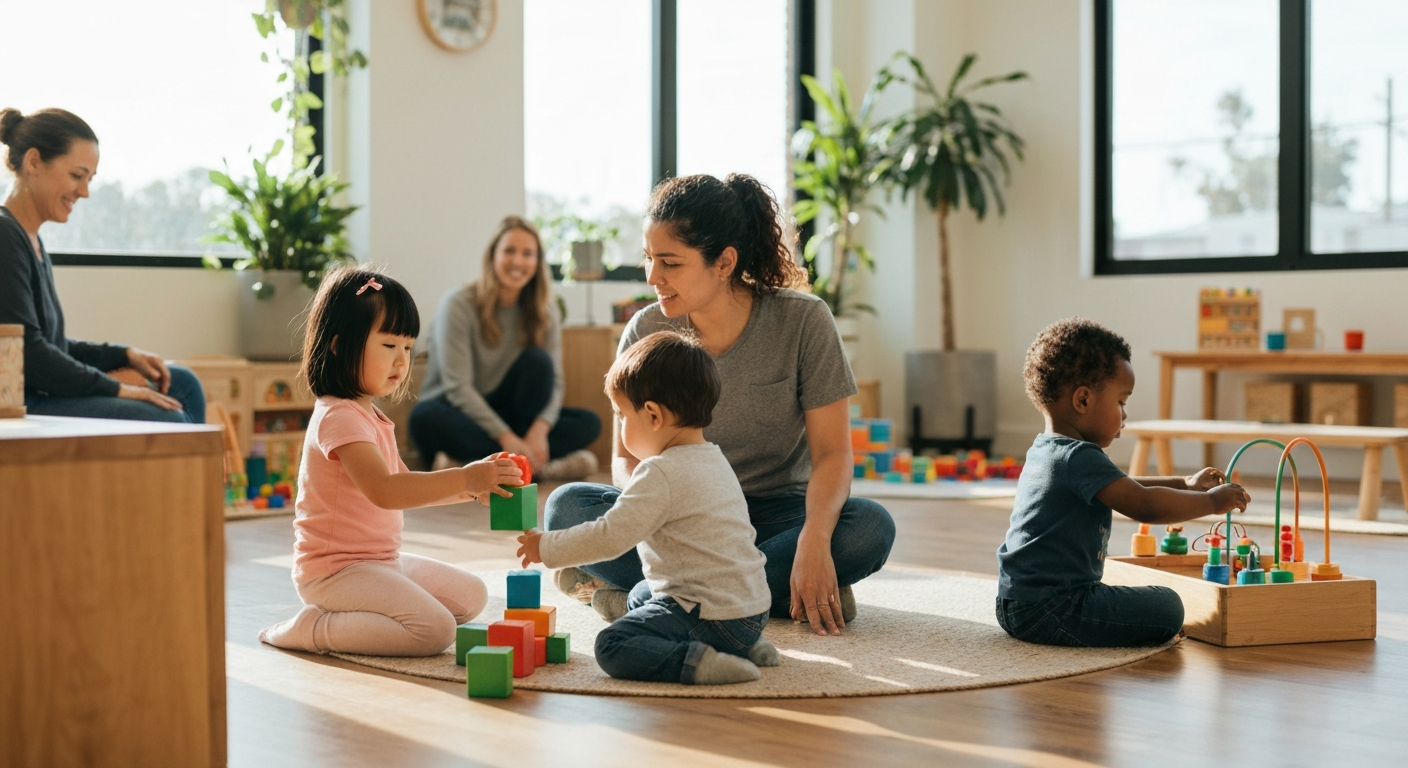
Ages 2-4: Creative Movement & Parent-Child Classes
What they're ready for:
At this age, kids aren't developmentally ready for formal technique. They need play-based movement — exploring how their bodies move, basic rhythm, following simple instructions.
Recommended classes:
- "Dance with Me" or "Mommy & Me" — parent stays in the room, child explores movement through songs and props
- Creative Movement — 30-40 minute classes focusing on imagination ("Let's be butterflies!"), not ballet positions
Bay Area studios offering toddler classes:
- Luna Dance & Creativity (Berkeley) — ages 3+ creative dance in mirror-free studios
- SADC Dance (East Bay) — "Dance with Me" for 18 months+, parent participates
- Tutu School (multiple locations) — Ballet Storytime for ages 6 months to 3 years
- East Bay Dance Center (Oakland) — preschool dance classes
- West Valley Dance Company (San Jose/Mountain View) — classes for 18 months+
Typical price: $80-$150/month for one 30-45 minute class per week
Red flag: If a studio is teaching 2-year-olds formal ballet positions (first position, plié, tendu), that's not age-appropriate. They should be playing with movement, not drilling technique.
Ages 5-7: Pre-Ballet, Beginning Jazz, Tap
What they're ready for:
This is the sweet spot for starting structured dance. Kids can follow multi-step instructions, understand "your turn/my turn," and have the attention span for a 45-60 minute class.
Recommended classes:
- Pre-Ballet — introduces ballet vocabulary (plié, tendu, relevé) in a playful way, focuses on posture and musicality
- Beginning Jazz — more upbeat, focuses on coordination and rhythm
- Beginning Tap — rhythm-focused, good for auditory learners
Dance styles to try:
Most studios recommend starting with ballet even if your child wants hip-hop. Ballet builds foundational technique (balance, alignment, turnout) that helps in every other style. Many studios offer combo classes (30 min ballet + 30 min jazz/tap) so kids get variety.
Bay Area studios with strong pre-ballet programs:
- Dance Connection Palo Alto — recreational ballet, jazz, contemporary, tap
- Vicky Dance Visions (Palo Alto) — private and group ballet lessons
- Berkeley City Ballet — Pre-Ballet for ages 2.5+, progression from "Dance with Me" to structured classes
- Dance Academy USA (San Jose area) — 200+ weekly classes, all styles
- Tutu School (Willow Glen, San Jose) — classical ballet for ages 18 months-8 years
Typical price: $120-$180/month for one 45-60 minute class per week
What to skip: Competitive teams at this age. If a studio is pushing your 6-year-old to audition for a competition team, that's a red flag. Recreational classes should be the default until at least age 8-9.
Ages 8-12: All Styles Open, Skill Levels Emerge
What they're ready for:
By age 8, kids have developed enough strength, flexibility, and coordination to handle more advanced technique. This is when you'll see studios separate classes into Beginner / Intermediate / Advanced levels.
Recommended classes:
- Ballet (Intermediate+) — pointe work typically starts age 11-12 if the child has strong technique
- Jazz — musical theater style, sharp movements, fun choreography
- Hip-Hop — popular with tweens, less formal, high-energy
- Contemporary — blend of ballet and modern dance, expressive and creative
- Tap — rhythm and musicality focused
Competitive vs. Recreational:
Around age 8-10, studios offer the option to join a competitive team. This means:
- 3-5 classes per week (vs. 1 for recreational)
- $400-$600+/month (vs. $120-$200)
- Weekend competitions and travel
- Year-end commitment (can't drop mid-season)
Only consider competitive if:
- Your child is asking for more dance (not you pushing)
- You can commit to the schedule and cost for at least one year
- Your child handles pressure well and enjoys performing
Bay Area studios with strong recreational AND competitive tracks:
- Dance Connection Palo Alto — elite competitive programs + recreational options
- East Bay Dance Center (Oakland) — performance-level teens + recreational classes
- Purdance Studio (San Jose) — Elite team training + recreational ballet, jazz, hip-hop, K-pop, tap
- Dance Identity (San Jose) — one of San Jose's top studios per Yelp reviews
- Ariel Dance Productions (San Jose) — strong reputation for quality instruction
Typical price (recreational): $140-$220/month for one 60-75 minute class per week
Typical price (competitive team): $400-$600+/month for 3-5 classes/week, plus costumes ($150-$300/year), competition fees ($75-150 per competition), and travel costs
How to Evaluate a Dance Studio (Before You Sign Up)
Not all studios are equal. Here's what "quality" looks like:
1. Instructor Credentials Matter
What to look for:
- Instructors with professional dance training (not just "I danced as a kid")
- For ballet: instructors trained in a recognized method (Vaganova, Cecchetti, RAD, ABT)
- For all styles: instructors who can explain why they're teaching a specific movement (not just drilling steps)
How to check:
Look at the studio's "About Us" or "Faculty" page. Quality studios list instructor backgrounds. If bios are vague ("Miss Sarah has been teaching for 10 years"), that's a yellow flag.
Bay Area example:
Vicky Dance Visions in Palo Alto explicitly mentions professional ballet training. Dance Connection Palo Alto highlights both competitive and recreational expertise. These are green flags.
2. Class Size
Ideal ratio:
- Ages 2-4: 8-10 kids per instructor (or 6-8 with parent participation)
- Ages 5-7: 10-12 kids per instructor
- Ages 8+: 12-15 kids per instructor
Why it matters:
In a class of 20+ kids, the instructor can't give individual corrections. Your child will just copy the kid next to them (who might be doing it wrong).
How to check:
Ask during your trial class. If the studio says "it depends on enrollment," push for a range. If they won't give you a number, that's a red flag.
3. Studio Facility & Safety
What to check:
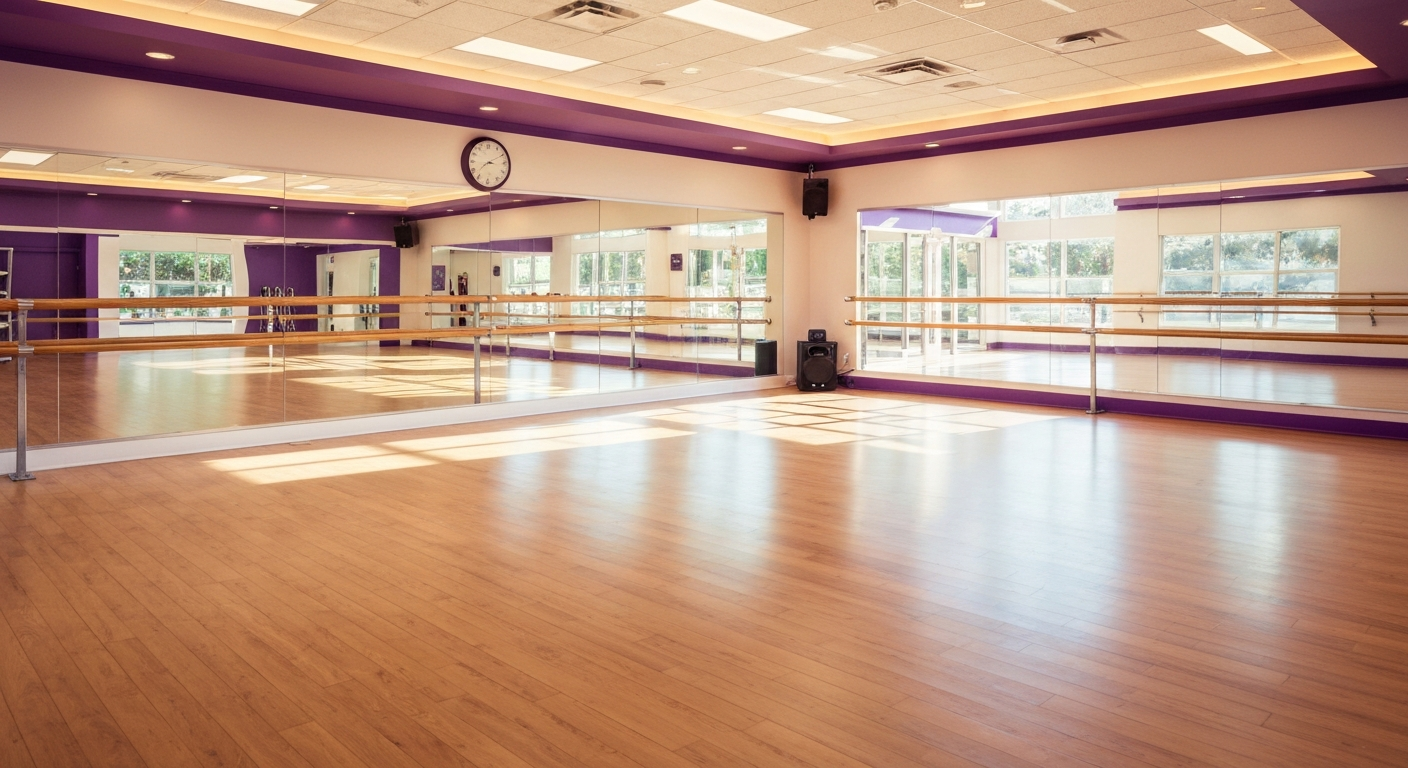
- Sprung floors (wood floor with padding underneath) — protects joints, reduces injury risk
- Barres at multiple heights — accommodates different ages/sizes
- Clean, well-maintained space — no peeling paint, broken mirrors, torn mats
- Viewing window or camera — so you can observe without disrupting class
Red flags:
- Concrete or tile floors with no padding (high injury risk)
- Overcrowded studio (kids bumping into each other)
- No way for parents to observe (some studios don't allow observation, which is fine — but they should offer video recordings or end-of-semester showcases so you can see progress)
4. Trial Class Policy
Quality studios want you to try before committing. They're confident you'll like what you see.
What to expect:
- Trial class cost: $15-35 (typical in Bay Area)
- No pressure: Instructor shouldn't be pitching enrollment during class; they should focus on teaching
- Welcoming vibe: Staff should greet your child, explain what to expect, and check in after class
Bay Area example:
Dance Connection Palo Alto offers $35 trial/drop-in classes. East Bay Dance Center encourages families to "take a trial class" to explore options. These are standard practices at quality studios.
Red flag:
Studios that require you to sign up for a full semester without a trial class. Or studios that charge $50+ for a single trial (gouging deterred shoppers).
5. Recital/Performance Requirements
What's normal:
- Most studios have a year-end recital (May/June)
- Participation is optional for recreational classes, required for competitive teams
- Costume cost: $50-90 per dance (per the child, not per family)
- Ticket cost: $15-30 per seat for family/friends
What to ask:
- Is the recital optional or required?
- What's the total cost (costume + tickets + rehearsal fees)?
- Can my child participate in class without performing?
Bay Area example:
Dance Connection Palo Alto lists costume costs at $50-90 depending on age and level, ordered for students performing in the 2026 end-of-year show. This is transparent and reasonable.
Red flag:
Studios that require $200-300 in costumes for a recreational class. Or studios that charge "recital fees" ($100-150) on top of costume and ticket costs without explaining what the fee covers.
Cost Breakdown: What You'll Really Pay
Monthly Tuition (Bay Area Range)
| Class Type | Frequency | Monthly Tuition | Annual Total (9-10 months) |
|---|---|---|---|
| Creative Movement (ages 2-4) | 1x/week, 30-45 min | $80-$150 | $720-$1,350 |
| Recreational (ages 5-7) | 1x/week, 45-60 min | $120-$180 | $1,080-$1,620 |
| Recreational (ages 8-12) | 1x/week, 60-75 min | $140-$220 | $1,260-$1,980 |
| Competitive Team (ages 8-12) | 3-5x/week | $400-$600+ | $3,600-$5,400+ |
Note: Most studios charge monthly, not per-class. You pay September through May/June (9-10 months). Summer is separate.
Additional Costs
Registration fee (one-time per year):
- New students: $45-50
- Returning students: $40-45
Costume costs (if performing in recital):
- $50-90 per dance
Trial/drop-in class:
- $15-35 (one-time)
Shoes/attire:
- Ballet shoes: $20-35
- Jazz shoes: $25-40
- Tap shoes: $30-50
- Leotard + tights: $30-50
Total first-year cost (recreational, 1 class/week):
$1,500-$2,200 including tuition, registration, shoes, and one costume
Total first-year cost (competitive team):
$4,500-$7,000+ including tuition, costumes (multiple dances), competition fees, and travel
Your Trial Class Checklist
You've found a studio. You've booked a trial class. Here's what to observe:
During Class (What You Watch)
Teaching style:
- [ ] Instructor gives clear, specific corrections ("Point your toes, Emma!" vs. "Good job, everyone!")
- [ ] Instructor demonstrates movements, not just verbal cues
- [ ] Instructor adapts to different skill levels in the room (gives harder/easier options)
- [ ] Kids are moving most of the class (not waiting in line for 10 minutes)
Safety & environment:
- [ ] Studio is clean and well-maintained
- [ ] Floor is appropriate for dance (sprung wood, no concrete/tile)
- [ ] Kids have enough space (not bumping into each other)
- [ ] Instructor corrects unsafe movements (e.g., "Don't hyperextend your knees")
Class vibe:
- [ ] Kids look engaged (not checked out or anxious)
- [ ] Instructor is warm but structured (not chaotic or overly strict)
- [ ] Mix of instruction and creative play (for younger ages)
After Class (What You Ask Your Child)
Conversation starters:
1. "What was your favorite part of class?"
- Green flag: They name a specific activity or movement
- Yellow flag: "I don't know" (might need another class to warm up)
- Red flag: "I didn't like it" (if this persists after 2 classes, it's not a fit)
- "Did the teacher help you learn anything new?"
- Green flag: They describe a correction or new step
-
Yellow flag: "Not really" (might be too easy/too hard)
-
"Did you feel safe and comfortable?"
- Green flag: "Yes" with no hesitation
-
Red flag: "The teacher yelled" or "I felt scared" (dealbreaker)
-
"Do you want to come back next week?"
- Green flag: Enthusiastic yes
- Yellow flag: "Maybe" (try 2-3 classes before deciding)
- Red flag: Consistent "no" after 2-3 trials
What If Your Child Wants to Quit Mid-Year?
This is normal — interests change, schedules get overwhelming, or the specific studio wasn't the right fit.
Most Bay Area studios:
- Allow you to drop with 30 days' notice
- Pro-rate refunds if you drop mid-month
- Some require payment through the end of the current month
Check the studio's refund/withdrawal policy before signing the annual contract. It should be in writing.
When to push through vs. when to quit:
- Push through: If your child is tired or having a bad week, encourage them to finish the month. Sometimes kids hit a slump and then re-engage.
- Let them quit: If they consistently say "I hate it," cry before class, or show physical signs of stress (stomachaches, anxiety), it's not worth it. Find a different activity.
Dance should be fun. If it's not, it's the wrong studio or wrong time.
Top Bay Area Dance Studios by Region
Peninsula (Palo Alto, Mountain View, Redwood City)
Dance Connection Palo Alto
- Styles: Ballet, hip-hop, jazz, contemporary, tap
- Ages: Kids, teens, adults
- Programs: Recreational + elite competitive
- Trial class: $35
- Monthly tuition (est.): $140-$220 for recreational (1x/week)
- Registration: $50 new / $45 returning
- Contact: (650) 852-0418 | info@danceconnectionpaloalto.com
- 4000 Middlefield Rd, Palo Alto
Vicky Dance Visions (Palo Alto/Mountain View/Los Altos area)
- Styles: Ballet (specialty)
- Private lessons: $90-$120/hour
Studios on Broadway (Redwood City)
- Styles: Multiple (check website for specifics)
- Ages: Kids, toddlers, teens
East Bay (Oakland, Berkeley)
East Bay Dance Center (Oakland)
- Styles: Jazz, ballet, tap, hip-hop, tumbling, acro
- Ages: Preschool through adult
- Programs: Recreational + performance-level teens
- Extras: Summer camps, afterschool programs, birthday parties
- Monthly tuition (est.): $120-$200 for recreational
- Contact: (510) 336-3262 | info@eastbaydancecenter.org
- 1318 Glenfield Ave, Oakland, CA 94602
Luna Dance & Creativity (Berkeley)
- Styles: Creative dance and improvisation (mirror-free studios)
- Ages: 3-17
- Focus: Whole-child development, inclusive approach
Berkeley City Ballet
- Styles: Ballet (specialty)
- Ages: 2.5+ (Pre-Ballet), progression from "Dance with Me"
SADC Dance (East Bay)
- Styles: Creative movement, contemporary
- Ages: 18 months+ (parent participation in "Dance with Me" classes)
South Bay (San Jose, Los Gatos, Willow Glen)
Purdance Studio (San Jose)
- Styles: Ballet, hip-hop, K-pop, jazz, tap
- Ages: Kids, teens, adults
- Programs: Recreational + Elite competitive team
- Hours: Mon-Fri 3-8:30pm, Sat 9am-12pm (closed Sun)
- Contact: (408) 444-5327 | info@purdance.com
- 1530 Oakland Rd, Suite 135, San Jose, CA 95112
Dance Academy USA (San Jose area)
- Classes: 200+ weekly classes, all styles
- Ages: Children, teens, adults
- Facility: State-of-the-art
West Valley Dance Company (San Jose/Mountain View)
- Years in operation: 35+
- Styles: Ballet, contemporary, hip-hop, jazz, musical theater, tap
- Ages: 18 months and up
Tutu School (Willow Glen)
- Styles: Classical ballet
- Ages: 18 months to 8 years
- Curriculum: Ballet Storytime
Dance Attack (Los Gatos)
- Styles: Ballet, jazz, hip-hop, adaptive dance
- Ages: 2-adult
- Focus: Inclusive programming
Top-rated on Yelp (San Jose):
- Dance Identity
- Ariel Dance Productions
- Dance Boulevard
San Francisco
ODC School
- Classes: 150+ per week, 365 days/year
- Styles: Hip-hop, contemporary, ballet, tap, Afro-Haitian, Pilates, bellydance
- Ages: All ages and levels
Steppin' Out Dance Studio
- Spring session: February 1 – May 31, 2026
- End-of-year performances at Riordan High School Theatre
Rhythm & Motion Dance Program
- Part of ODC's offerings
Marin County & North Bay
Bay Area Dance School
- Multiple locations
Frequently Asked Questions
Q: Can my child start dance without any prior experience at age 7-8?
Yes. Most studios offer "Beginning" levels for all ages. Your child will be grouped with other beginners (not just 3-year-olds). Studios understand that kids start activities at different ages.
Q: How many classes per week should my child take?
Ages 2-5: 1 class per week is plenty. More than that and they'll burn out.
Ages 6-8: 1-2 classes per week. If they take 2, many studios offer combo classes (ballet + jazz, or ballet + tap) in a single session to save commute time.
Ages 9-12 (recreational): 1-2 classes per week.
Ages 9-12 (serious about dance): 2-3 classes per week, potentially auditioning for competitive team.
Q: My child wants to do hip-hop but the studio recommends ballet first. Why?
Ballet builds foundational technique — balance, alignment, posture, turnout (rotating legs from the hips). These skills transfer to every other dance style. Many studios recommend 1-2 years of ballet before adding jazz or hip-hop so your child has the body awareness to learn more complex choreography safely.
That said, if your child is adamant about hip-hop and hates ballet, it's better to let them do hip-hop (and enjoy it) than force ballet (and quit entirely). Some kids thrive in the high-energy, less formal structure of hip-hop.
Q: How much practice at home is expected?
Ages 2-7: None. Class time is enough.
Ages 8-12 (recreational): Minimal. Maybe practicing a specific step before a recital, but not required.
Ages 8-12 (competitive): 30-60 minutes per week outside of class. Competitive teams expect self-practice.
Q: What if my child is interested but shy about performing?
Many studios offer non-performance tracks — your child attends class, learns dance, builds skills, but opts out of the year-end recital. Ask the studio if this is an option.
For kids ages 5-8, shyness about performing often fades after they've been in class for a few months and feel comfortable with their peers. Don't let fear of performing stop your child from trying dance — they can always skip the recital.
Q: Are boys welcome in dance classes?
Yes. Dance is not a "girls' activity." Many professional ballet companies, contemporary dance groups, and hip-hop crews are male. Studios that are welcoming to boys will have:
- Male instructors (or at least gender-balanced staff)
- Other boys in the class (ask about this during your trial)
- Neutral language (not "ballerinas" but "dancers")
If a studio says "we don't have many boys" but welcomes your son to try, that's fine. If a studio seems uncomfortable or surprised, find a different studio.
Q: What if we travel/have schedule conflicts? Can we make up classes?
Most Bay Area studios allow 1-2 makeup classes per semester if you miss due to illness, travel, or family emergency. You typically attend a different class time (same level) within the month.
Some studios don't offer makeups at all — you're paying for a reserved spot in the class, and the instructor is there whether your child attends or not. Check the studio's policy before enrolling.
What to Do Next
Step 1: Shortlist 3-5 studios near you
Use the list above, check their websites, and confirm they offer classes for your child's age.
Step 2: Book trial classes
Schedule trials at 2-3 studios within the same week if possible, so your child can compare while the experience is fresh.
Step 3: Use the Trial Class Checklist
Bring this guide with you. Observe class, talk to your child after, and see which studio felt like the best fit.
Step 4: Commit to one semester
Once you've found a studio, sign up for one semester (typically September-January or January-May). Don't commit to a full year until you're sure it's the right fit.
Step 5: Track activities as you explore
If you're trying multiple activities (gymnastics, swimming, dance, music), track what your child is doing each week so you don't lose track. Join the waitlist for KidPlanr's activity tracker → — we're launching a tool to help Bay Area parents manage year-round schedules.
Planning summer camps too?
Dance is year-round, but summer is wide open for exploration. Search 3,000+ Bay Area summer camps on KidPlanr → — find STEM, sports, arts, and outdoor camps by city, age, and budget.
Sources & Verification
All studio information, pricing ranges, and program details were verified via official studio websites and Bay Area parent resource sites as of April 22, 2026. Specific pricing may vary — always verify current rates with the studio before enrolling.
Build your summer plan
Map every week of summer in 3 minutes
KidPlanr lays out every week with camps that match each kid's age and interests — and tracks which weeks still have spots.
Build my calendar