Language Immersion Summer Camps Bay Area 2026
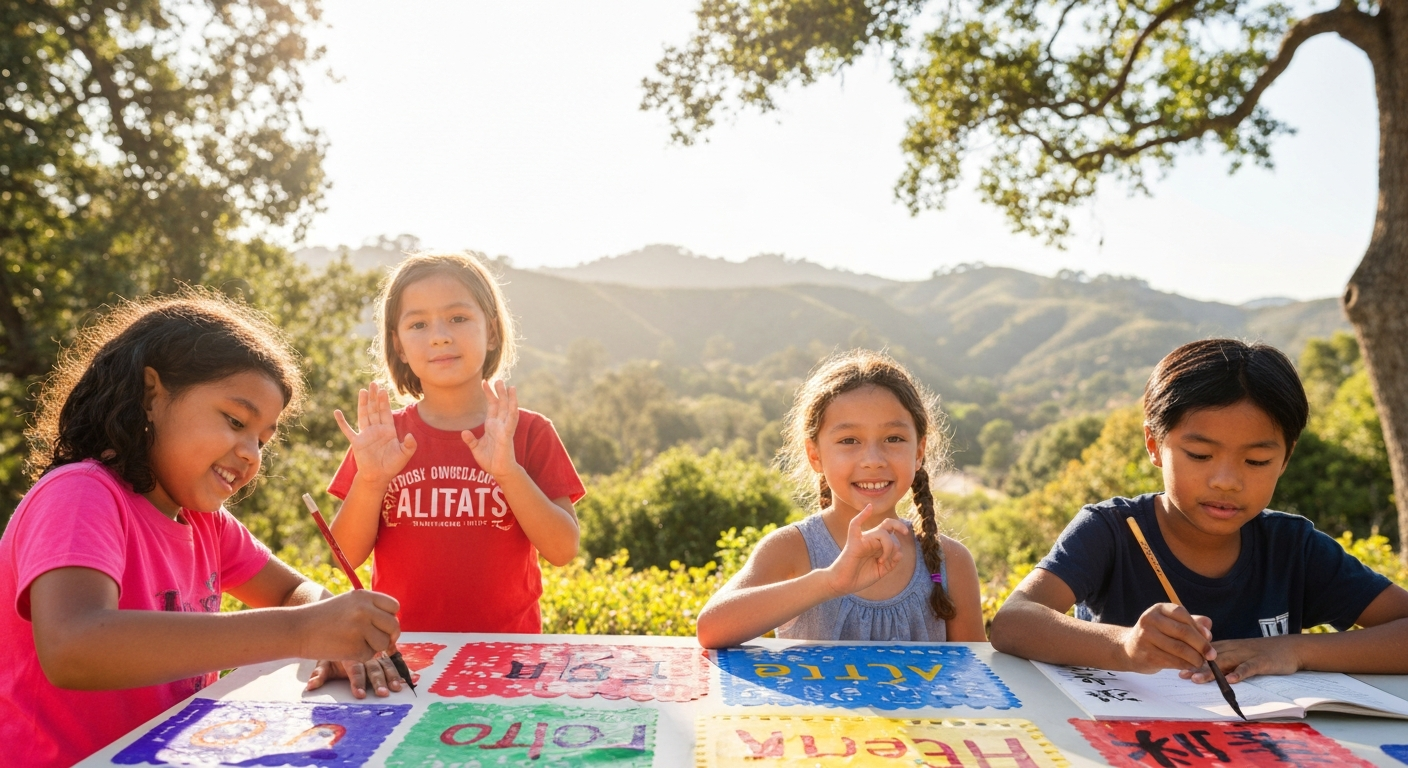
The Bay Area has one of the highest concentrations of multilingual families in the U.S. If you're raising a bilingual child or want your kids to learn a second language through immersion, summer camp is one of the most effective (and fun) ways to build fluency.
Quick Answer: Bay Area language immersion camps offer full-day Spanish, French, and Mandarin programs for ages 3-14, typically costing $400-800 per week. Most programs require no prior language experience and combine language learning with art, music, sports, and cultural activities — verify current pricing and availability with providers before registering.
Unlike classroom-based language instruction, immersion camps surround kids with native speakers, cultural context, and peer interaction all day long. The result? Accelerated learning, confidence in speaking, and genuine cultural exposure.
This guide covers the best language immersion summer camps in the Bay Area for 2026, organized by language and city, with pricing ranges, age groups, and what makes each program unique.
Why Language Immersion Camps Work
All Bay Area language camps in one place
Find language camps tailored to your kid
Filter hundreds of language camps by age, location, and week — then save them to a week-by-week calendar.
Find language camps →Traditional language classes focus on vocabulary and grammar. Immersion camps flip the model: kids learn by doing, playing, and living in the language.
The research backs it up: Children ages 3-12 have peak neuroplasticity for language acquisition. Immersion environments activate multiple learning pathways simultaneously — listening, speaking, contextual understanding, and social communication.
What parents notice: Most kids who attend a full week of immersion camp show measurable improvement in:
- Vocabulary breadth (50-100 new words per week)
- Pronunciation and accent (native-like sounds)
- Confidence speaking without self-consciousness
- Cultural awareness and curiosity about the world
The Bay Area advantage: With large Spanish-speaking, French-speaking, and Mandarin-speaking communities, your child will encounter these languages in real-world contexts beyond camp — at parks, restaurants, cultural events — which reinforces retention.
Spanish Immersion Summer Camps (Bay Area)
Spanish is the most common language immersion choice in the Bay Area, and for good reason: it's widely spoken, culturally rich, and practical for life in California.
Escuela Bilingüe Internacional — Oakland
Ages: Pre-K through 5th grade
Price: Approximately $400-600/week (verify with provider)
Format: Full-day Spanish immersion, Monday-Friday
What makes it great: Open to EBI students and non-EBI students with no prior Spanish required. Each week is sold individually, giving families flexibility. Staff are native Spanish speakers from Latin America and Spain.
Activities include: art workshops, music and dance (salsa, cumbia), outdoor games, cooking experiences (making tortillas, empanadas), and storytelling in Spanish.
Best for: Families who want authentic cultural immersion alongside language learning. EBI's staff represent diverse Spanish-speaking cultures, so kids are exposed to different accents and traditions.
How to register: Visit Escuela Bilingüe Internacional and register by city/session. Sessions fill by early April.
Buena Vista Spanish Immersion Summer Camp — Bay Area
Ages: Elementary school (typically K-5th)
Price: Approximately $450-700/week (verify with provider)
Format: Nature-based Spanish immersion
What makes it great: Combines outdoor education with language learning. Kids spend time hiking, exploring Bay Area parks, and engaging in environmental science — all in Spanish.
Activities include: nature journaling in Spanish, outdoor cooking, Spanish-language songs and games, wildlife observation, team-building challenges.
Best for: Kids who love the outdoors and learn best through hands-on experiences. If your child is restless indoors, this program channels that energy into language acquisition.
How to register: Contact Buena Vista directly for 2026 session dates and registration.
Kids Language Art (KLA) — Multiple Bay Area Locations
Languages: Spanish, French, Mandarin
Ages: Pre-K through middle school
Price: Approximately $500-800/week (verify with provider)
Format: Full immersion with weekly thematic focus
What makes it great: Each week has a new theme (space exploration, ancient civilizations, culinary arts) taught entirely in the target language. Dynamic, project-based learning keeps kids engaged.
Activities rotate by theme but include: creative arts, hands-on science experiments, cooking workshops, storytelling, sports and games — all conducted in Spanish, French, or Mandarin.
Best for: Families who want high-quality instruction across multiple languages or who have kids at different language levels. KLA offers differentiated instruction within the same camp session.
Cancellation policy: April 1st deadline for summer 2026 cancellations.
How to register: Visit Kids Language Art to view locations and register.
French Immersion Summer Camps (Bay Area)
French immersion camps are less common than Spanish but offer exceptional cultural depth and are particularly popular among families preparing for international schooling or travel.
Bay Language Academy — Alameda
Languages: French, Mandarin, Spanish
Ages: Pre-K through 5th grade
Price: Approximately $550-800/week (verify with provider)
Format: Full-day immersion with cultural workshops
What makes it great: Bay Language Academy emphasizes the culture behind the language. French sessions include French cooking (making crepes, croissants), art workshops (impressionism projects), music (French children's songs), and storytelling from Francophone countries.
Staff are native French speakers from France, Belgium, Switzerland, and Quebec, exposing kids to different Francophone cultures.
Best for: Families who value cultural education alongside language. If your goal is not just fluency but cultural literacy, Bay Language Academy excels.
How to register: Visit Bay Language Academy for 2026 session dates and enrollment.
Language Kids — Bay Area
Languages: French, Spanish, Chinese, English
Ages: Elementary through middle school
Price: Approximately $500-750/week (verify with provider)
Format: Full immersion, week-long language intensive programs
What makes it great: Language Kids specializes in accelerated language acquisition through total immersion. No English is spoken during camp hours. Staff are native speakers and certified language educators.
Activities include: role-playing scenarios (restaurant, market, school), drama and skits in the target language, interactive games, cultural cooking, and language-focused sports.
Best for: Motivated kids who are serious about language learning and can handle full immersion without English support. Not recommended for first-time language learners under age 6.
How to register: Visit Language Kids for program details and registration.
Mandarin Immersion Summer Camps (Bay Area)
Mandarin is the second most common home language in the Bay Area after English. Immersion camps serve heritage speakers maintaining fluency and new learners building foundational skills.
Bay Language Academy — Alameda (Mandarin Program)
Ages: Pre-K through 5th grade
Price: Approximately $550-800/week (verify with provider)
Format: Full-day Mandarin immersion with cultural activities
What makes it great: The Mandarin program incorporates traditional Chinese arts — calligraphy, paper cutting, martial arts demonstrations, dragon dance — alongside language instruction.
Staff are native Mandarin speakers from mainland China, Taiwan, and Singapore, giving kids exposure to different Mandarin dialects and cultural practices.
Best for: Heritage speakers who need consistent Mandarin exposure to maintain fluency, or new learners whose families have cultural connections to Mandarin-speaking regions.
How to register: Visit Bay Language Academy for 2026 Mandarin session dates.
CommuniKids — Bay Area
Languages: Mandarin (primary), Spanish, French
Ages: Toddler through elementary
Price: Approximately $450-700/week (verify with provider)
Format: Play-based immersion for younger learners
What makes it great: CommuniKids focuses on early childhood language acquisition through play, music, and movement. Ideal for toddlers and young elementary kids who need a gentler introduction to Mandarin.
Activities include: songs and rhymes in Mandarin, sensory play, art projects, outdoor exploration, storytelling with puppets.
Best for: Younger kids (ages 2-7) who benefit from a play-based, nurturing environment rather than academic rigor.
How to register: Visit CommuniKids for summer 2026 enrollment.
How to Choose the Right Language Immersion Camp
Consider Your Child's Current Language Level
No prior experience: Choose programs explicitly welcoming beginners. Bay Language Academy, Escuela Bilingüe Internacional, and CommuniKids all accept kids with zero prior language exposure.
Some exposure (1-2 years of classes): Most immersion camps will be appropriate. Look for programs that differentiate by level so your child isn't under-challenged.
Heritage speaker (speaks at home but needs literacy): Look for camps that incorporate reading, writing, and cultural literacy alongside conversation. Bay Language Academy and Kids Language Art offer this depth.
Assess Learning Style
Kinesthetic learners (learn by doing): Buena Vista's nature-based immersion or Kids Language Art's project-based approach work best.
Social learners (learn through peer interaction): Any full-day immersion camp with group activities. Avoid programs that feel too academic or structured.
Creative learners (art, music, drama): Bay Language Academy and Escuela Bilingüe Internacional emphasize cultural arts.
Budget and Schedule Fit
Price range: Language immersion camps in the Bay Area typically cost $400-800 per week. Cheaper options exist through city recreation departments (often $200-400/week) but may offer less immersion intensity.
Extended care: Many language immersion camps do NOT offer extended care before 9am or after 3pm. If you're a working parent, verify drop-off/pick-up times and extended care availability before committing.
Flexibility: Some camps (like Escuela Bilingüe Internacional) sell sessions individually, allowing you to register for just 1-2 weeks. Others require full summer commitments.
Language Maintenance After Camp
One week of immersion won't create fluency. To maximize retention:
- Enroll in afterschool language classes during the school year
- Practice at home with apps, books, or conversation with native speakers
- Attend cultural events (festivals, film screenings, community gatherings)
- Return to the same camp annually to build on prior learning
Comparing Language Immersion Camp Costs
| Camp | Language(s) | Ages | Approx. Price/Week | Extended Care | Format |
|---|---|---|---|---|---|
| Escuela Bilingüe Internacional | Spanish | Pre-K–5th | $400-600 | Limited | Full immersion |
| Buena Vista Spanish Camp | Spanish | K–5th | $450-700 | No | Nature-based |
| Bay Language Academy | French, Mandarin, Spanish | Pre-K–5th | $550-800 | Yes | Cultural immersion |
| Kids Language Art | Spanish, French, Mandarin | Pre-K–MS | $500-800 | Limited | Project-based |
| Language Kids | Multiple | Elem–MS | $500-750 | No | Intensive immersion |
| CommuniKids | Mandarin, Spanish, French | Toddler–Elem | $450-700 | Yes | Play-based |
Note: All prices are approximate ranges for 2026 and should be verified directly with each provider. Prices may vary by session, location, and early-bird discounts.
Registration Tips for Language Immersion Camps
Register Early (February-March)
Popular language immersion camps fill by late March or early April. Spanish programs tend to fill fastest due to high demand.
Ask About Trial Days
Some camps offer a single-day trial or demo session before you commit to a full week. If your child has never done immersion before, this is valuable for assessing comfort level.
Clarify "Immersion" vs "Bilingual"
True immersion means 90-100% of the day is conducted in the target language. Some camps market themselves as "bilingual" but actually operate 50% in English. Ask explicitly: "What percentage of the day is conducted in [language]?"
Check Teacher Credentials
Native speakers ≠ trained educators. The best camps hire native speakers who are also trained in early childhood education or language pedagogy. Ask about staff qualifications.
Understand Refund Policies
Language immersion camps often have stricter cancellation policies due to small cohort sizes. Kids Language Art has an April 1st cancellation deadline — after that, no refunds. Review policies before paying.
What to Expect: A Week in Spanish Immersion Camp
Monday morning: Arrival and icebreakers in Spanish. Kids introduce themselves, share what they did over the weekend (in Spanish), and play name games.
Daily routine: Morning circle (songs, calendar, weather discussion in Spanish), themed activity (this week: "El Mercado" — the market), art project (painting fruit still lifes with Spanish labels), outdoor play with Spanish-language games, lunch (discussing food in Spanish), afternoon cultural activity (making papel picado, learning a traditional dance).
By Friday: Kids who started the week shy about speaking are participating confidently. Vocabulary has expanded from basics ("hola," "gracias") to full sentences ("Quiero el azul, por favor" / "I want the blue one, please"). Parents report kids using Spanish phrases at home unprompted.
Long-term impact: One week won't create fluency, but it WILL:
- Build confidence that "I can speak another language"
- Establish foundational vocabulary (100-200 words)
- Create positive associations with the language and culture
- Open the door to continued learning
Hidden Costs to Watch For
Lunch and snacks: Some immersion camps provide lunch; others require you to pack. Camps with cooking activities may charge a $25-50 materials fee per week.
Transportation: If the camp is far from home and doesn't offer bus service, daily driving time (and gas costs) add up.
Materials fees: Cultural activities (calligraphy, art projects, cooking) sometimes incur additional materials fees ($20-75 per week).
Extended care: If offered, extended care typically costs $50-150/week extra.
Beyond Summer: Year-Round Language Learning
Summer immersion is most effective when paired with year-round exposure. After camp ends, maintain momentum with:
Afterschool language classes: Many of the same providers (Bay Language Academy, Kids Language Art, CommuniKids) offer weekly classes during the school year.
Language meetup groups: Join Bay Area parent groups organizing Spanish/French/Mandarin playdates and cultural outings.
Dual-language schools: If your child shows strong interest, consider enrolling in a dual-language immersion elementary school for continued bilingual education.
Media and books: Access age-appropriate books, shows, and apps in the target language. Your local library has multilingual children's collections.
Planning summer camps too? Search 3,000+ Bay Area camps by language and activity →
FAQ
What age is best to start language immersion camp?
Most programs accept kids as young as 3-4 (Pre-K), and research shows ages 3-12 are optimal for language acquisition due to neuroplasticity. However, motivation matters more than age — a motivated 8-year-old will outperform an uninterested 4-year-old.
Do kids need prior language experience to attend?
No. Most Bay Area language immersion camps explicitly welcome beginners. Staff are trained to support kids at all levels, from zero exposure to heritage speakers.
Will my child actually learn the language in one week?
One week creates foundational skills (100-200 words, basic conversational phrases, cultural awareness) and builds confidence. True fluency requires sustained, multi-year immersion. Think of camp as a launchpad, not the full journey.
How much Spanish/French/Mandarin will my child speak at the end of camp?
Expect simple conversational phrases ("Can I have water?", "I like this game", "Where is the bathroom?"), 100-200 vocabulary words, and the confidence to try speaking without self-consciousness. Reading/writing skills depend on the program's literacy focus.
Are language immersion camps worth the cost?
For families raising bilingual kids or prioritizing second-language acquisition, yes. The combination of full-day immersion, native speaker instruction, and cultural activities is difficult to replicate elsewhere. One week of camp delivers more language exposure than months of weekly classes.
What if my child doesn't like it on Day 1?
Day 1 discomfort is normal, especially for kids new to immersion. Most programs report that by Day 3, kids adjust and start enjoying themselves. Communicate with staff if your child is struggling — they can offer additional support or modifications.
Ready to find the perfect language immersion camp for your child?
Use KidPlanr to compare all Bay Area summer camps by language, location, age, and price. Filter by Spanish, French, Mandarin, and more — then add your favorites to your calendar.
All Bay Area language camps in one place
Find language camps tailored to your kid
Filter hundreds of language camps by age, location, and week — then save them to a week-by-week calendar.
Find language camps